Skip to content

Edition of 23/09/2026

Kook & Hoomen

Kook & Hoomen is a working studio for sound and image. This journal publishes what the bench, the darkroom and the mixing desk teach, one question at a time: how a small room is recorded, how a negative is exposed for the print it will become, how one lamp and a reflector light a night interior, how a back catalogue is stored so it survives a move. Every entry answers its question in the opening paragraph, then gives the working detail and the sources the studio read. Plates come from the studio's own sessions.

A studio journal on sound and image: how a room is recorded, how a print is pulled, how light is shaped for a moving camera. Entries from the bench, the darkroom and the mixing desk.

Store Negatives, Drives and Masters for a Move

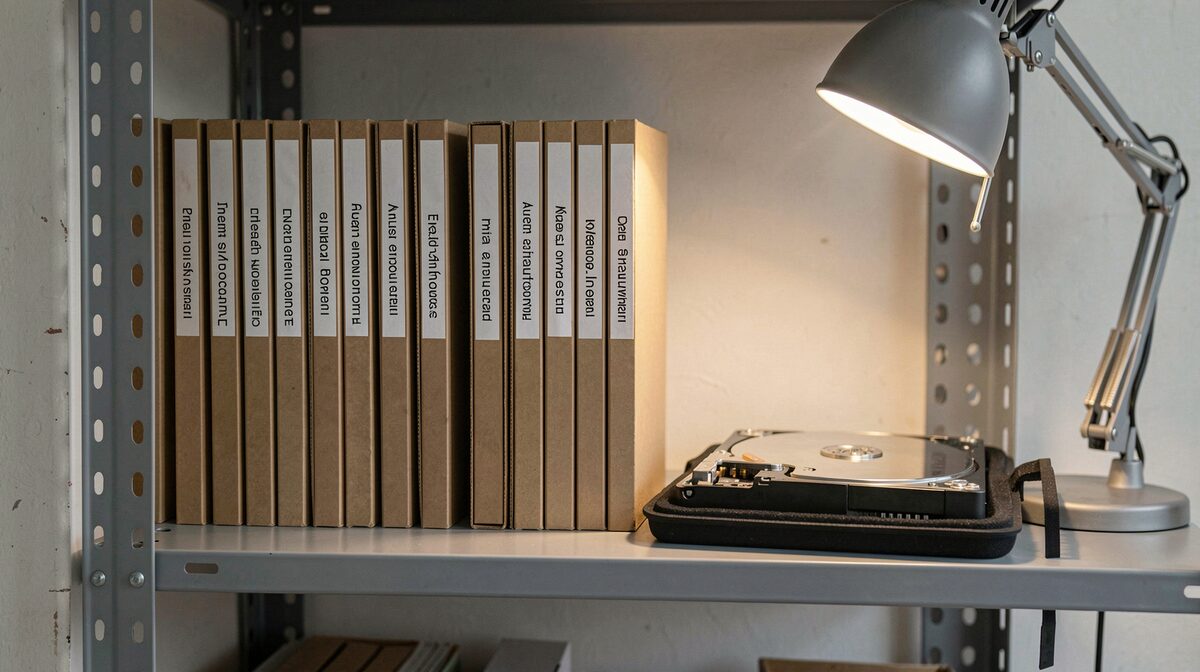
A grey steel shelving unit in a working studio, negative sleeves in labelled paper folders stacked upright, a bare drive in a padded case on the shelf beside them, one desk lamp raking across the folder spines, shot straight on at shelf height.

Latest entries from the programme

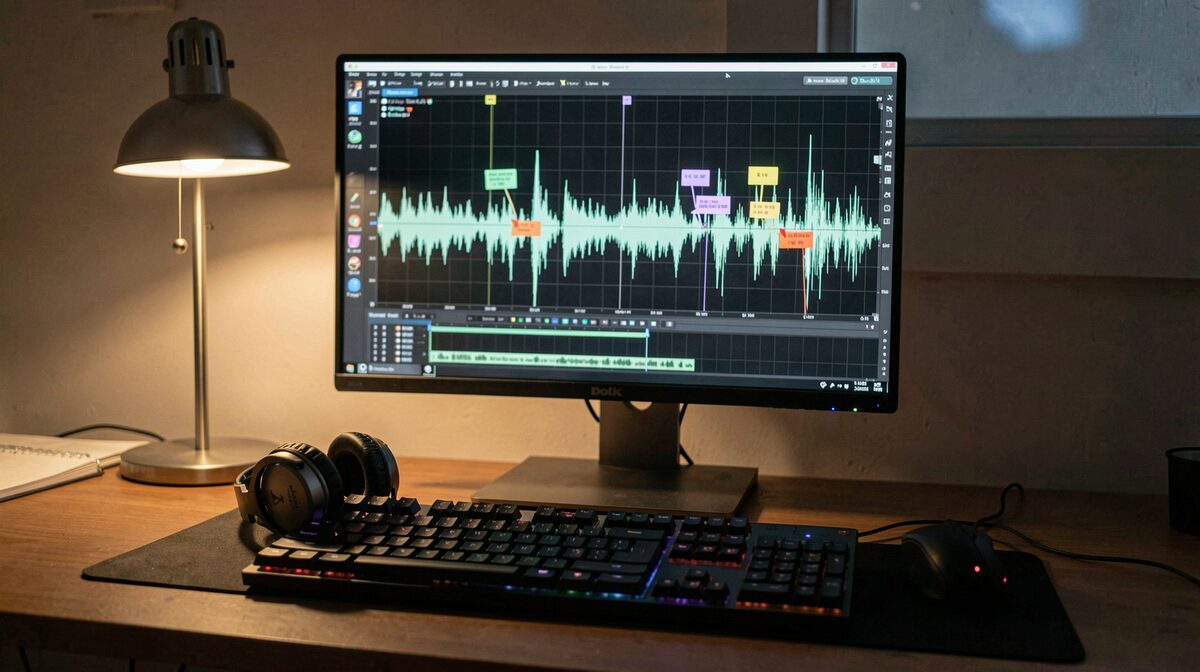
  1. A video editing desk at night, waveform display filling the monitor at one second across, marker flags on the breaths, a pair of studio headphones resting on the keyboard, single warm lamp from the left, medium shot from slightly above.

    Cut the Sequence on the Sound

    Cut picture on breath and transient, use J cuts and overlaps, and hold sync under a music bed. A working method for sound-led editing.

    MO-002Film & motion

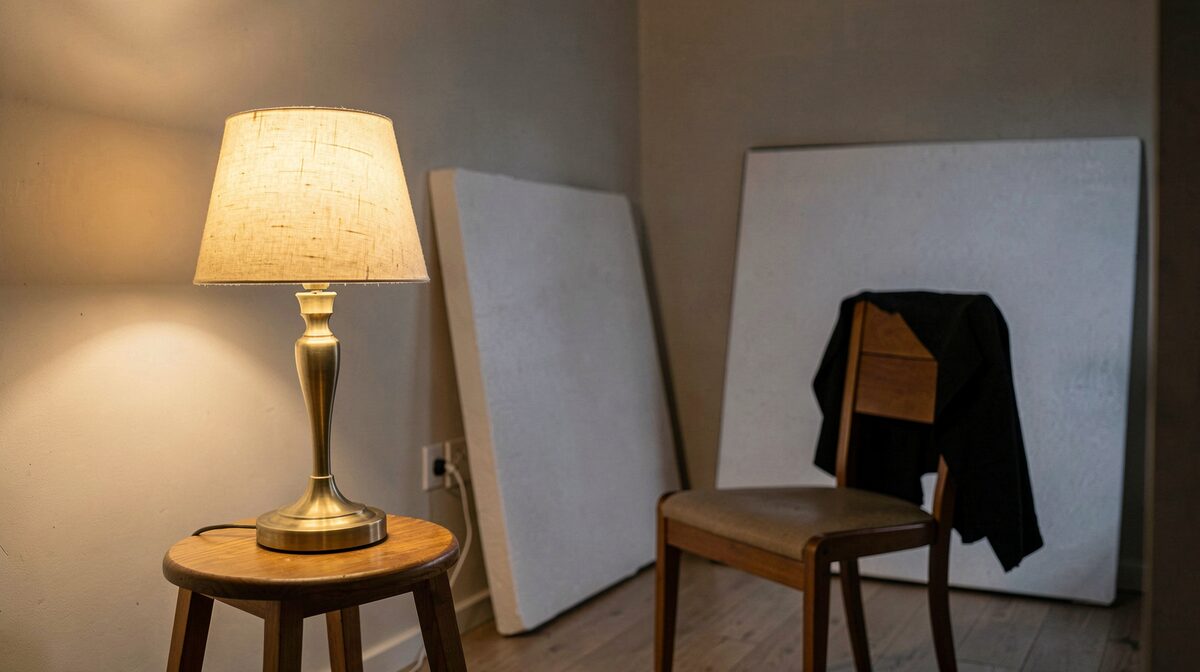
  2. A single tungsten table lamp with a fabric shade placed on a wooden stool at the edge of frame, angled toward an empty chair in a small room at night, with a white foam board reflector leaning against the opposite wall and a black cloth draped over a chair back on the shadow side.

    One Lamp, One Reflector: Night Interior

    How to light a small room at night with a single lamp and a reflector: placement, bounce, negative fill, and an exposure that keeps the window readable.

    MO-001Film & motion

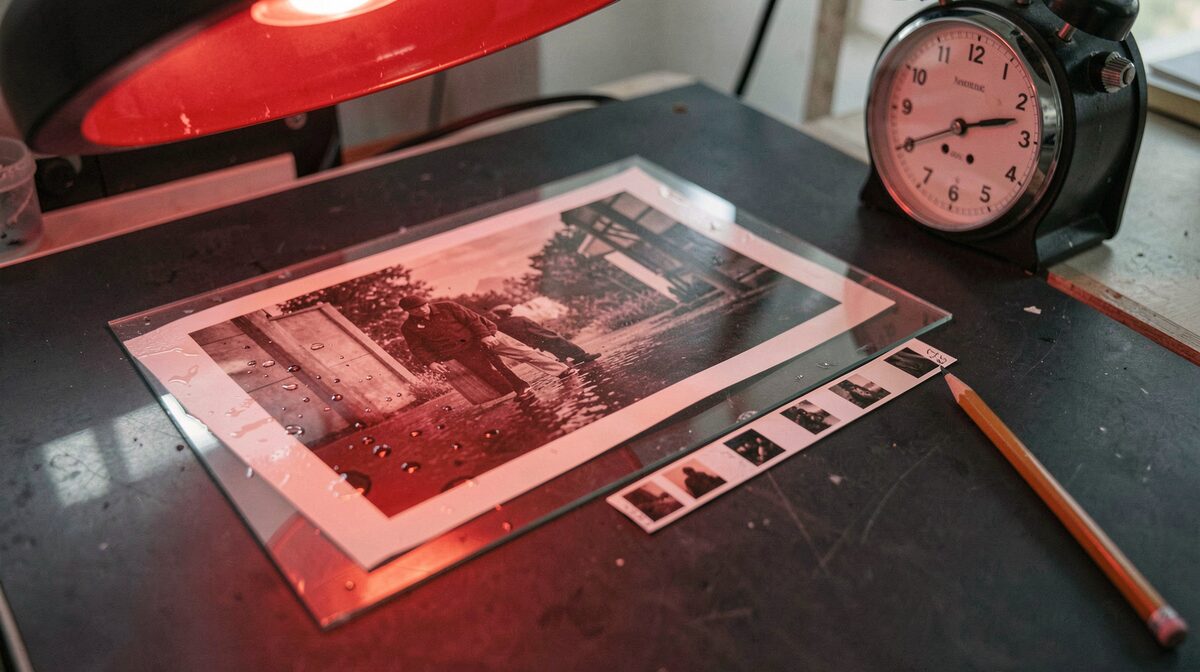
  3. A darkroom bench under a safelight, a wet fibre print lying face up on a glass sheet with a test strip beside it, a pencil and a timer at the edge of the frame, shot from slightly above at 35 mm.

    Split Grade a Fibre Print and Read the Test Strip

    How to read a test strip, split the grade between shadows and highlights, and finish a fibre print so it stays flat on the wall.

    IM-002Photography & darkroom

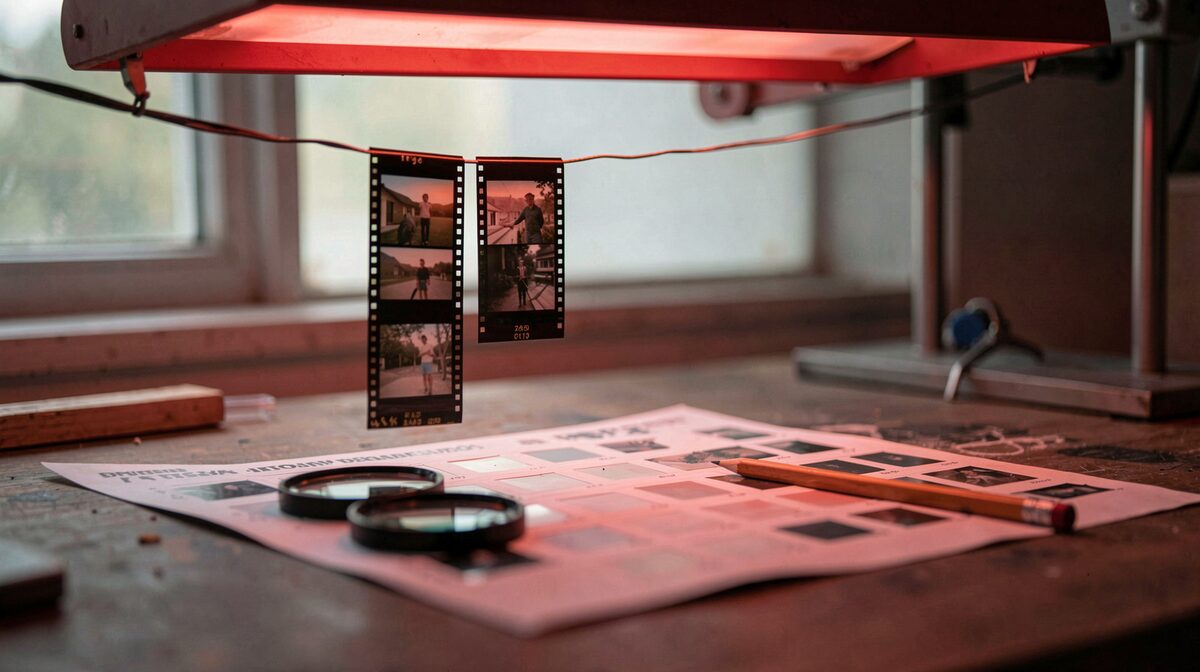
  4. A darkroom workbench with a strip of 35mm negatives hanging from a line, a loupe and a pencil resting on a contact sheet under a safelight.

    Expose for the Print, Not the Meter

    The meter gives a starting point, not an answer. Place your zones, pick a development time, and set exposure for the paper grade you intend to print.

    IM-001Photography & darkroom

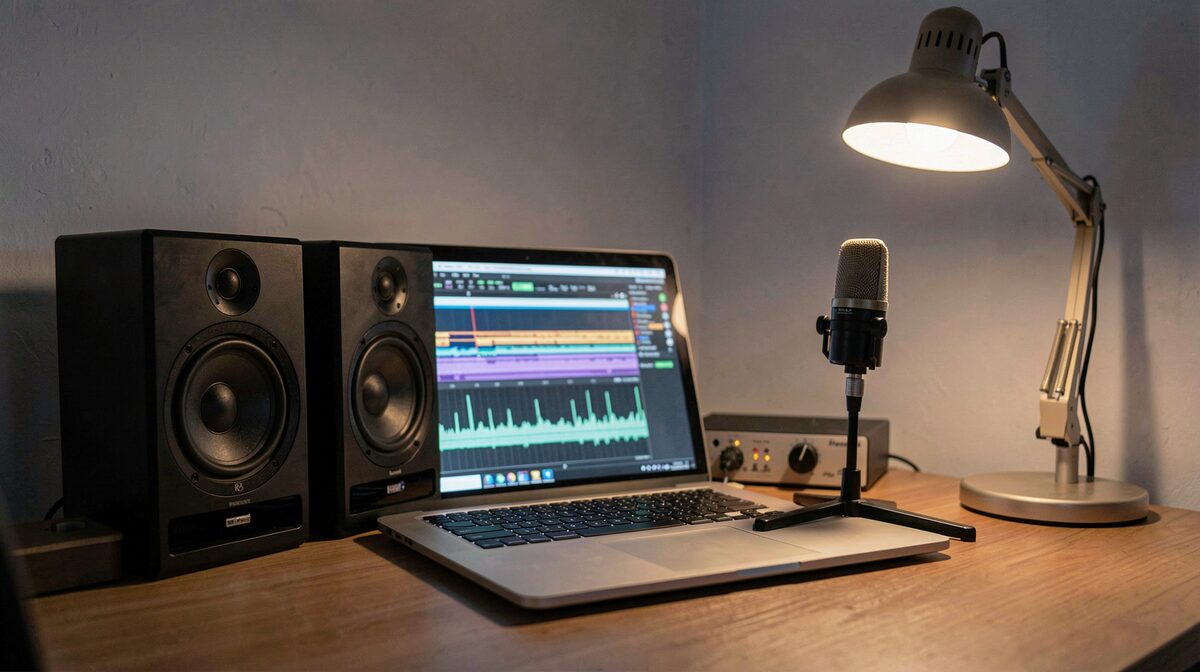
  5. A small home studio at night: a pair of 5-inch nearfield monitors on a desk, a laptop screen showing a mono-summed mix, a measurement microphone on a stand at ear height, and a marked volume knob on the audio interface, lit by a single desk lamp.

    Mix Down Low End for Small Speakers

    Set reference levels, check in mono, and make low-end choices that hold up on small speakers and in a car. A working method for mixdown.

    SO-003Sound & sessions

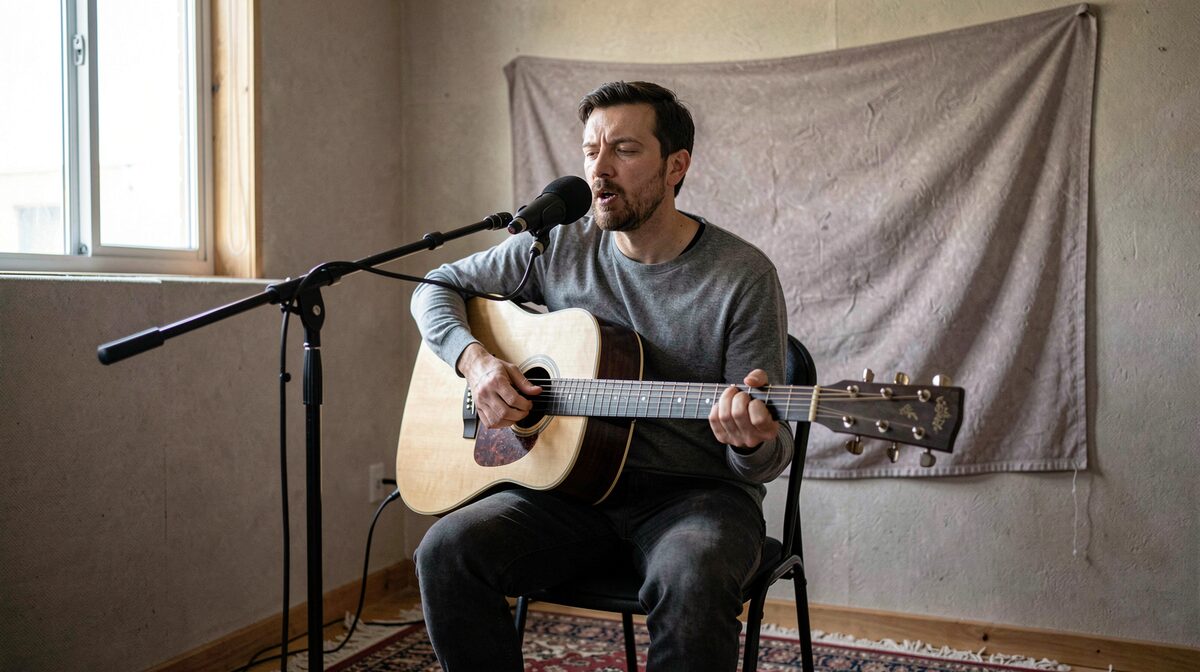
  6. A seated guitarist in a small treated room, one condenser mic above and in front of the mouth, a second mic aimed at the guitar body, a moving blanket on the wall behind and a rug under the chair, lit by a single window on the left.

    First Pair of Mics: Voice and Instrument

    How to place a first pair of microphones for one voice and one acoustic instrument in the same room: spacing, height, axis, and the bleed you keep on purpose.

    SO-002Sound & sessions

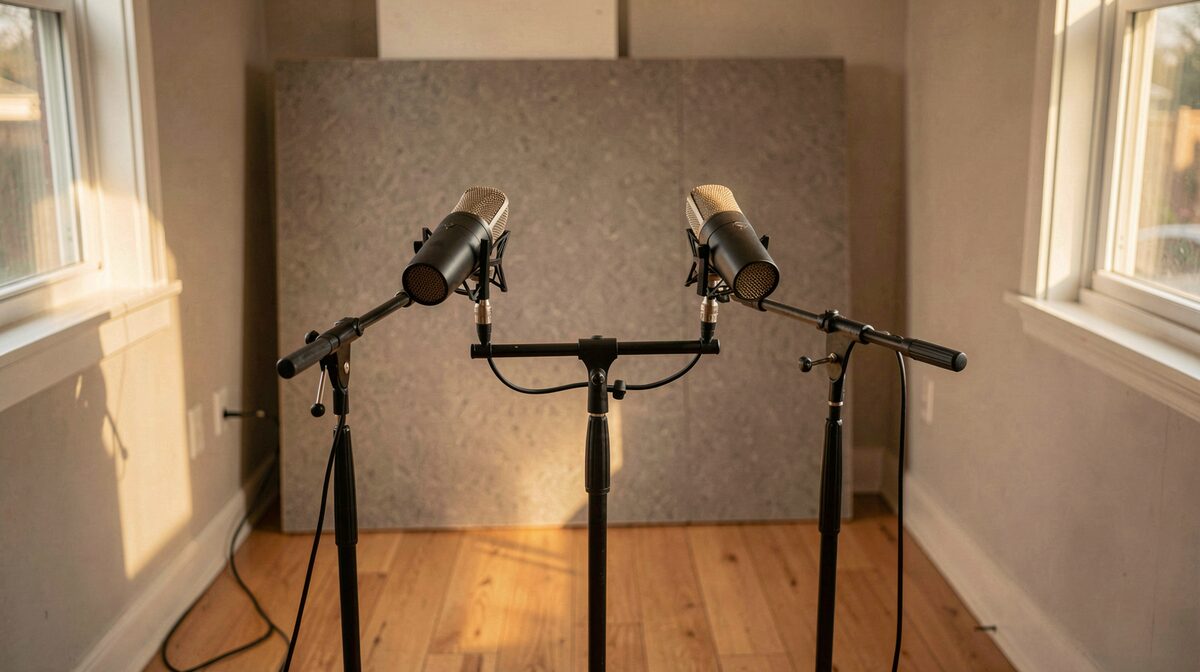
  7. A pair of small-diaphragm condenser microphones on a stereo bar in a narrow home studio, angled outward at ear height, with a mineral wool panel leaning against the back wall and a wooden floor visible under warm afternoon light from a side window.

    Record a Small Room So the Mix Has Somewhere to Sit

    How to place a first pair of microphones in a small room, treat early reflections, and keep the room in the mix without drowning the instrument.

    SO-001Sound & sessions

The cast of this journal

The stands

Each section holds one voice of this journal: its number of pieces, its latest date, what it covers.

  • A small home studio at night: a pair of 5-inch nearfield monitors on a desk, a laptop screen showing a mono-summed mix, a measurement microphone on a stand at ear height, and a marked volume knob on the audio interface, lit by a single desk lamp.
    Sound & sessions
    3 pieces · 26/08/2026 to 07/09/2026 Recording a room, placing microphones and mixing a session down, from the first take to the final balance.
  • A darkroom bench under a safelight, a wet fibre print lying face up on a glass sheet with a test strip beside it, a pencil and a timer at the edge of the frame, shot from slightly above at 35 mm.
    Photography & darkroom
    2 pieces · 11/09/2026 to 15/09/2026 Exposure, chemistry and paper, and how an image is made and finished for the wall.
  • A video editing desk at night, waveform display filling the monitor at one second across, marker flags on the breaths, a pair of studio headphones resting on the keyboard, single warm lamp from the left, medium shot from slightly above.
    Film & motion
    2 pieces · 18/09/2026 to 20/09/2026 Lighting a scene, moving a camera and cutting a sequence, the practical craft of pictures that move.
  • A grey steel shelving unit in a working studio, negative sleeves in labelled paper folders stacked upright, a bare drive in a padded case on the shelf beside them, one desk lamp raking across the folder spines, shot straight on at shelf height.
    Craft & notes
    1 piece · 22/09/2026 Care of the tools, storage of negatives and drives, and the bench routines that keep a studio working.

Elsewhere in the building

Studios and collections kept by other hands, each one read before it was linked from this journal. Each is named for what it holds.

  • capitalcityvoices.com

    For adults in Washington, D.C. who want to sing again, Capital City Voices keeps the working record of a jazz choir season, from section blend and auditions to the weekly cost of a rehearsal room.

  • dentoncountyhistoricalmuseum.com

    For readers tracing Denton County's blackland prairie, courthouse square, vanished towns and Quakertown, the county boundary and town history notes at Blackland Chronology gather land records, cemetery lists and railroad routes into one working reference.

  • thurmontthespians.org

    For readers in and around the Catoctin region of Maryland who take part in community theatre, Catoctin Curtain maps the rehearsal room, the backstage roles and a newcomer's first season, from auditions through to closing night.